
ACE Spectrum
ACE Spectrum
Ace Spectrum is about you — the ACE Learning Centers.
It’s a quick sharing of ideas, inspiration, opinions and best practices among our continuing education organizations.
Please join the conversation.
Floods, Demonstrations, Sex Trafficking, Syrian Refugees and ProTools Are All Part of the KALW Audio Academy Experience
By Guest Blogger Ben Trefny, News Director, KALW Public Radio
We’ve started the new year with some exciting work at KALW. In order to boost the “must-listen” nature of Crosscurrents, we made some quick-turnaround reporting assignments, and current and previous members of the Audio Academy really stepped up to make it happen.
Our environmental reporter, Angela Johnston (’14) started last week with an update on how the huge storms affected Northern California. Her work has been a great public service, from alerting listeners to the dangers of a rising Russian River in one story, to giving a sense of how communities like East Palo Alto have been preparing for flood conditions in another.
Current Academy fellow Cari Spivack (’17) continued to produce at a very high level, reporting, Tuesday, on demonstrations at Zuckerberg San Francisco General Hospital held by doctors and nurses concerned about possible cuts to the Affordable Care Act.
Our economics reporter Jeremy Dalmas (’14) reported, Wednesday, on labor protests across the University of California system. It’s further evidence to me of the high value our audience gets out of our beat reporter system — and many of those journalists were trained through the Audio Academy.
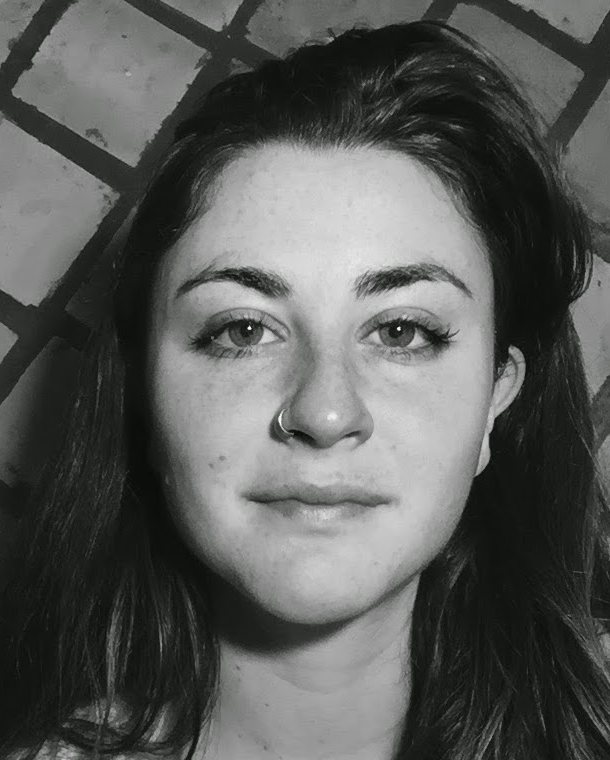
Liza Veale covers National Human Trafficking Day.
Liza Veale (’15), our housing and homelessness reporter, repurposed a piece she made about sex trafficking to air on Wednesday, which was National Human Trafficking Awareness Day. She got some kudos from members of our audience, including this comment:
I learned a lot from it. I appreciated how it started with what I knew about trafficking and then took me into the unintended consequences of enforcement and what happens to people on the street vs. the Internet. And then that powerful final clip about the root cause being poverty. Wow. Great writing. Great cuts. Great structure.
We also recently received a heartwarming note from a listener on the rebroadcast of a story from Audio Academy alum Ian Lewis (’16) about a night minister who walks the streets of the Tenderloin:
Dear Folks,
I heard a lovely piece this AM about a night priest on the streets of San Francisco. I had hoped to send it on to a Catholic friend. Will it be available at some point on your website?
In fact, it’s right here.
I had the pleasure of interviewing Audio Academy alum Daphne Matziaraki (’14), this week, about her celebrated documentary film 4.1 Miles, which shows a day in the life of a Greek Coast Guard captain charged with saving the lives of thousands of Syrian refugees. It’s a finalist for an Academy Award nomination, and we’ll find out if it makes the cut next week. Meanwhile, check out the short version or, better, the long version of our conversation.
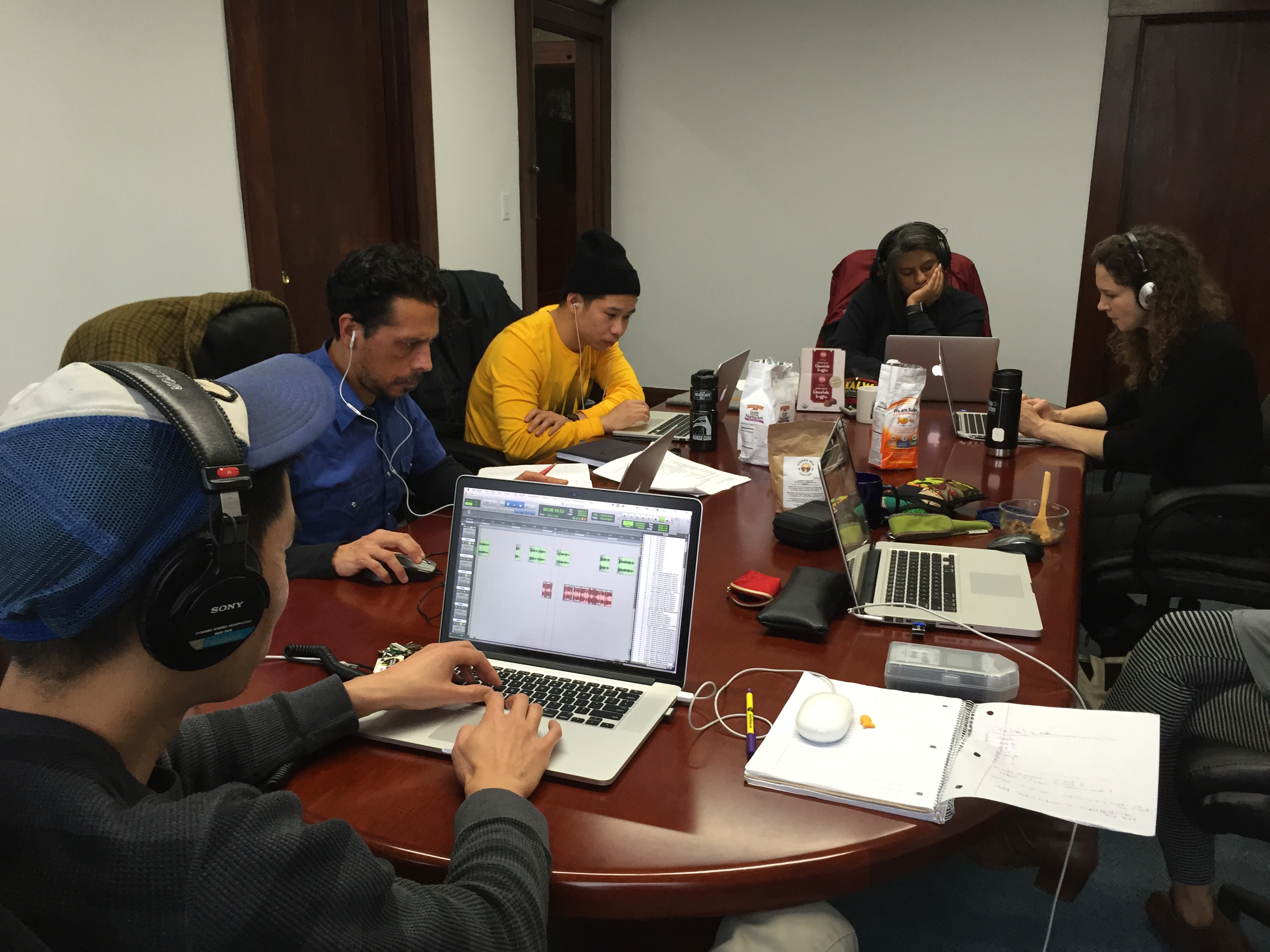
Jeremy Jue, Josiah Luis Alderete, Boawen Wang, Greer McVay and Claire Stremple learn ProTools.
Finally, five members of our current Audio Academy class took advantage of a weekend tutorial in the audio editing program ProTools led by mentors Julie Caine and Jen Chien. Check out the picture of Jeremy Jue, Josiah Luis Alderete, Boawen Wang, Greer McVay and Claire Stremple hard at work! They’re learning!
—
Check in with Audio Academy alum Liza Veale (’15):
Liza has become an invaluable part of our KALW News Department, working the housing and homelessness beat and line producing Crosscurrents shows two days a week. Here are some thoughts she has to share about her work:
Sometimes being a reporter feels like a cruel way to engage with the world. When my interview subject gets emotional or their story gets disturbing, my story gets better. When I can get them to let down their guard and talk to me in an intimate way, my tape gets better—and the chances that they’ll feel betrayed when they hear it later, go up. I can never portray people in my stories the way they want to be portrayed. If i’m not outright disputing or undermining their position, I’m inevitably leaving out something they care about because I don’t have room to do them justice. But they’ve trusted me to tell their story for them—to make an expression of them out their in the world—it’s a trust I almost always feel like I’ve betrayed to some extent.
But my editors are teaching me what to do about this. I’m learning how to play devil’s advocate in my interviews. My impulse is to avoid being antagonistic because it makes people uncomfortable, it makes them like you less, and there’s a risk that they’ll pull out of the story if they glean that it isn’t sympathetic to them. But, there’s a way to do it—after you’ve established rapport—that interview subjects will respect. Explain that you’re giving them an opportunity to address the qualms or doubts that some listeners inevitably will have. Try to prove them wrong in the interview, rather than in the story (effectively “behind their back”). If you do it right, you’re not just covering your ethical bases, you’re getting better material—maybe they can defend themselves better than you expected. The good vibes in the interview might go tense, but at least you don’t have to imagine bad vibes coming your way from the time the story airs on the radio for eternity.
—
A few words from current Audio Academy Fellow Greer McVay:
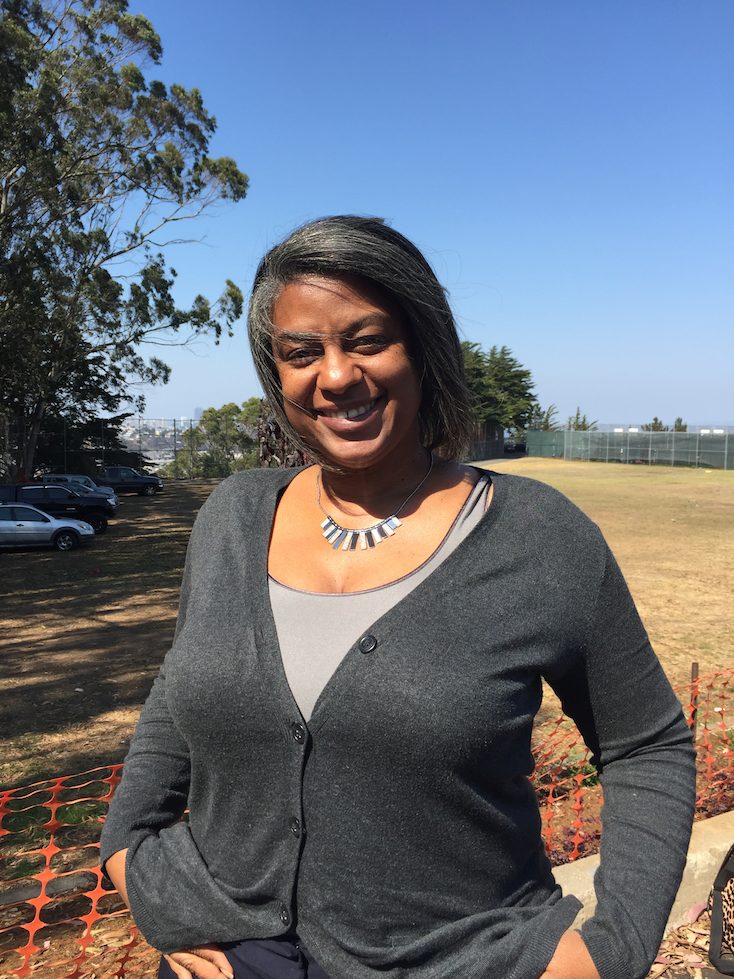
Greer McVay, Audio Academy Fellow.
I’ve worked in communications and public relations for over two decades but never quite felt like I was tapped into what makes my heart sing. Just prior to joining KALW’s Audio Academy I was able to narrow my career aspirations to finding ways to contribute my voice to the national dialogue on politics and culture. Without knowing where to start, I applied for the Audio Academy as a way to learn the radio business and understand how to tell the stories we all encounter daily to an audience that needs information, perspective and examples showing the way forward.
The KALW family could not be more supportive of my personal goals. The collective knowledge of the news team makes every day a unique learning experience that challenges me to push beyond my own expectations and explore the medium on levels I hadn’t considered. From mastering the technical aspects of production to listening to the “silence” of room tone or the roar of my inner voice, the KALW Audio Academy has, so far, been an invaluable component on the journey to reaching my dreams.
Students at OIHS Design Posters and Postcards About Documented and Undocumented Immigrant Rights
By Guest Blogger Mallory Moser, Computer Graphics Teacher, Oakland International High School
Do you know what to say if a police stops you in the street and asks to search your things?
Do parents have the right to a translator at public schools in California?
Do undocumented workers have the same rights to workers’ compensation and overtime as documented immigrants and citizens?
Should you ever tell the police your immigration status?
These are a few of the many questions that 11th grade students at Oakland International High School have been asking about their rights in the United States. What is my right to education? My right to interact with police? My right to remain in the country? My right to a fair wage and treatment at work? My right to participate in elections? What do these rights look like for a citizen? For a documented immigrant? For an undocumented immigrant? For six weeks, they have investigated the nuances of our rights in the United States as a part of an interdisciplinary project-based Know Your Rights unit in their Reading and Digital Media Arts classes.

Poster or wallet-size – the information is important.
After becoming experts in their rights, the students designed posters and wallet guides as tools to spread the knowledge. The students plan to disseminate the posters and wallet guides to their communities – mosques, churches, community centers, bus stops, schools and corner stores – that teach their neighbors, family and friends how to protect and defend their right to remain in the United States, right to education, right to fair wage and fair treatment at work, right to participate in elections, right to interact with police, and their right to free speech and assembly. Their posters are almost finished and now they need the necessary funds to print their posters to spread the word in local immigrant and refugee communities in Oakland.
How did this all happen? The posters and postcards are a result of something that was brewing even before the election results. The 11th grade students at OIHS began learning about their rights in their Reading Class in October where they studied, discussed and acted out different elements of their rights, living as documented and undocumented immigrants in Oakland, California. They studied what situations may occur in which they must defend their rights and what to say in order to protect their rights.
After the students analyzed the most effective ways to communicate their knowledge and educate their community, they began taking their new knowledge and information and applied it to the design of posters and postcards in their Digital Media Arts class. Each poster includes three different parts of a right, how to respond when that right is at stake and images that bring the right to life, in both English and their native languages.
The students have also been creating strategic plans detailing how they will share their posters and wallet guides, based on location, foot traffic, and time spent in a location. The posters are in the final stages of production, so now is the moment to complete this project and begin spreading the knowledge.
Let us know if you would be interested in having postcards. We need to know:
• What language(s) you prefer or need
• Number of postcards you would like
• If you would like any of the images as posters to put up in a public space
Remember, all cards have both English and another language, help us spread the word!

One of 24 posters created by OIHS students about the rights of documented and undocumented immigrants.
Year’s Top 5 KALW Audio Academy Stories and The Tool Kit Needed for 2017
By Ben Trefny, News Director, KALW Public Radio
We’ve wrapped up our year of regular production in the KALW newsroom, and the Audio Academy and mentors are on vacation. Before we finished up, though, we compiled a list of our favorite stories from the year, and former and current fellows in the Academy make up a big part of it. Among them:
Medallions keep taxi drivers stuck in industry — Jeremy Dalmas (’14)
Seeking Asylum: Young Migrants Hope to Make Oakland Their Home — Hannah Kingsley-Ma (’15) and Liza Veale (’15)
A Long Wait for a New Bayview Market — Nicole Grigg (’17)
Where did San Francisco’s tent camps come from? — Liza Veale (’15)
The Intersection: Golden Gate and Leavenworth — David Boyer (’14)
These stories dealing with some of the Bay Area’s most significant topics — the new economy, undocumented immigration, food deserts, poverty, homelessness and gentrification — wouldn’t have happened without the hard work and passion of the people we’ve taught at KALW. It’s extraordinarily gratifying to list these pieces and media makers among our best, and they’re all worth the listen.
Check out the whole list of KALW’s best stories of the year by clicking right here.
We’re looking forward to continuing the training of the current class in 2017. Best wishes to everyone as we turn over a new year.
—
Check in with Academy alum Colin Peden (’15):
A few months after Colin graduated from the Audio Academy in June of 2015, he and his wife had a baby girl. Since then, as you can imagine, he’s been busy with lots of things, including producing work that gives him perhaps more frequent bylines on KALW than anybody else. Here’s what he has to say:
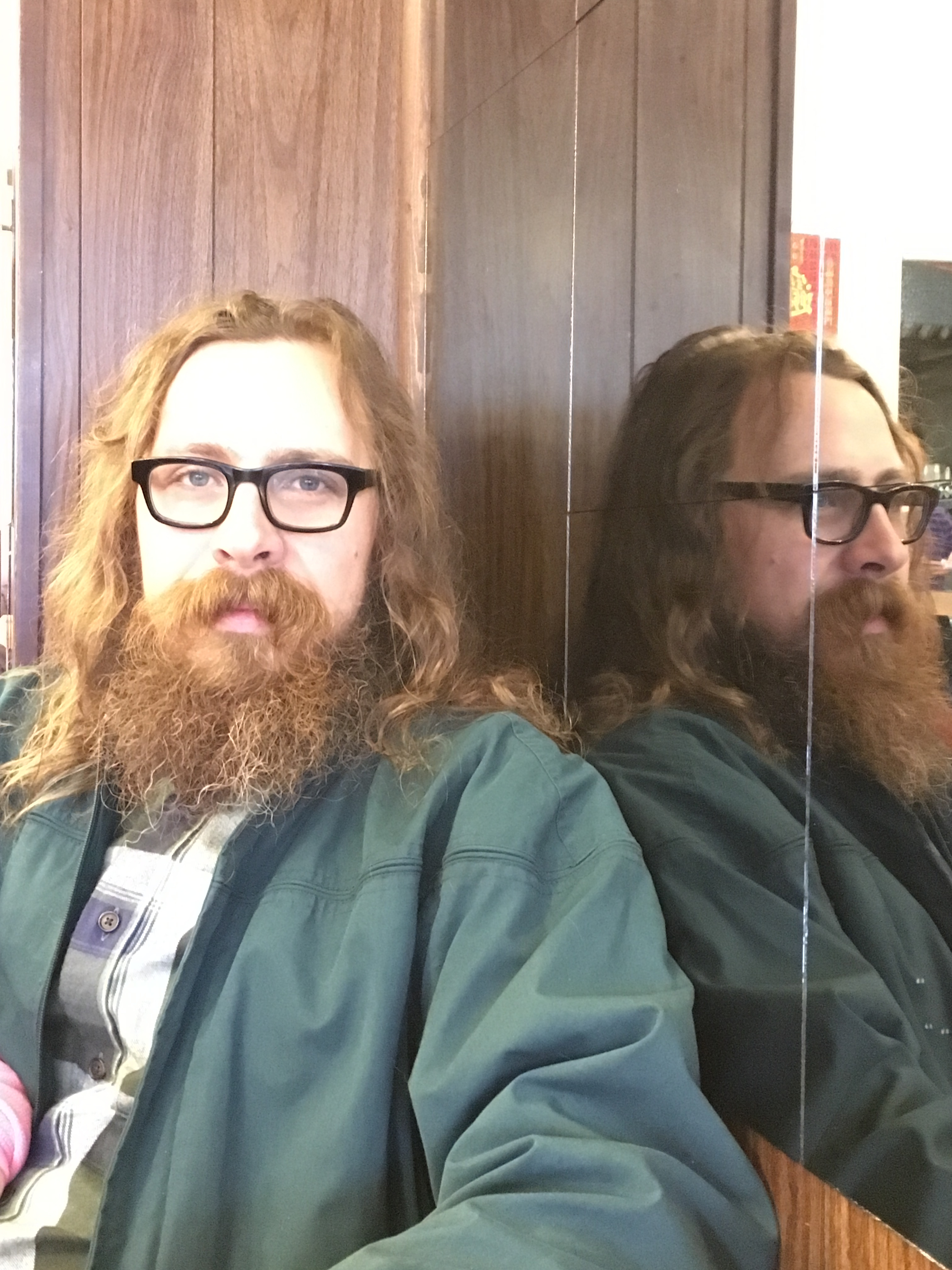
Audio Academy graduate Colin Peden (’15).
Prior to the Academy, I had never used a microphone as a journalist. In fact, the closest thing to journalism that I had done was edit my undergraduate university’s literary journal for a couple of years. Since leaving the Audio Academy I have done my best not to leave at all, volunteering at the station so that I could continue to develop my engineering skills.
In late 2015, I took lead on production of My Mixtape, which is a short (less than 2 minute) feature that airs on KALW four times a week. Interviewees from all walks of life are asked to submit a song that is important to them and tells us why, and then their story is mixed together with the song they chose to tell their story of the song.
Earlier this year, I joined the staff of Philosophy Talk as a line producer, and help produce live recordings of this call-in program about philosophy. Subsequently, I also joined the production of FSFSF, a weekly roundup of live comedy from around the bay area hosted by comedian Nato Green, engineering the show in collaboration with Ted Muldoon. In addition to this, I still mix stories for the Crosscurrents team when they can use the help, so I can continue to hone my quick-turnaround engineering/editing/mixing skills.
All of the last two years led to my first freelance audio engineering gig, recording interviews with residents of SRO hotels in downtown San Francisco for an exhibit at the San Francisco Public Library.
I’ve been pretty busy with radio since attending the Audio Academy. I haven’t quit my day job yet, but I’m whittling away at it, as well as continuing to play and record with a couple of San Francisco bands, and parent a 16-month-old daughter, as of this writing. I highly encourage those who are interested in pursuing the Audio Academy to do so, so they can explore how their skills work in the world of radio journalism.
—
Thoughts from current Academy fellow Beatrice Thomas:
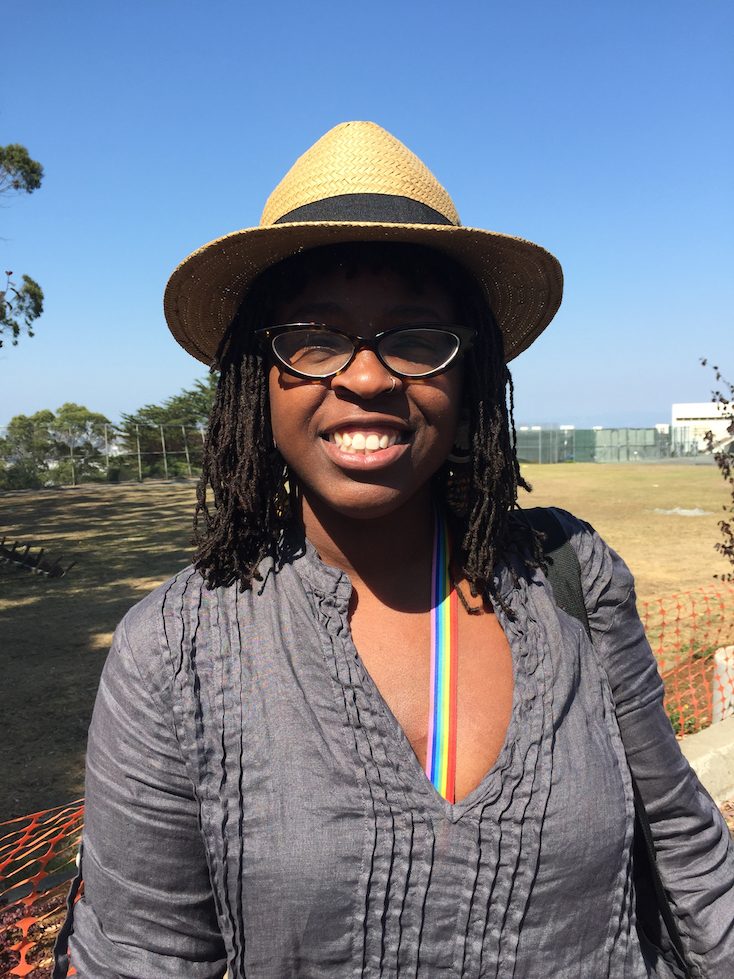
Audio Academy fellow Beatrice Thomas.
Is it too much to say that the Audio Academy has changed my life … wait … let me be more specific. The KALW Audio Academy has deeply enriched how I understand my ability to impact the world. It has taught me that I can expect more from people. I can expect people to be equitable, non-judging, supportive, direct, humble and joyous to be around, while at the same time being extremely committed to the hard work of fairly and earnestly presenting our world in all of its complexity. It has easily changed the quality of the fabric of my life.
The Audio Academy is challenging. It is literally reaching inside of me and dragging the reporter/producer out. It is showing me how to show up and stand in my value and perspective and move through insecurity and self-doubt in order to get the job done. I am learning new skills and can feel my capacity to produce grow each week.
But perhaps most important, by giving a framework and a tool kit for elevating issues that are important to me and my community, the Audio Academy is teaching me about courage, empowering me to hold myself to a higher standard even in the face of failure and developing my voice to speak truth and be heard.